Why Character Design Is The Heart Of Animation
Character design plays a pivotal role in animation serving as the foundation upon stories that are built and audience engagement is fostered. It is the heart in animation thus examining how it affects emotional connection, narrative depth, and overall audience experience.
By examining key design elements such as functionality, visual appeal, personality, and originality, it becomes clear that strong character design plays a vital role in animation. Memorable characters not only strengthen storytelling and audience engagement but also contribute significantly to the overall success of animated productions.
Today, animation has grown into one of the most powerful and influential forms of storytelling across modern media and entertainment.
In the heart of this medium lies character designing, the art of making memorable and relatable characters that resonates with the audience. Effective character design is important not only for visual appeal but also for creating memorable and relatable characters that resonate with the audience.
Effective character design is important for visual appeal but also for establishing emotional connections between viewers and characters that resonate with the audience.
Character design is at the core of animation, bringing stories to life and helping audiences connect with on-screen characters. More than just visual appeal, effective character design communicates emotions, supports storytelling, and creates memorable experiences. It also shapes a film’s visual identity by making characters distinctive and easy to recognize.
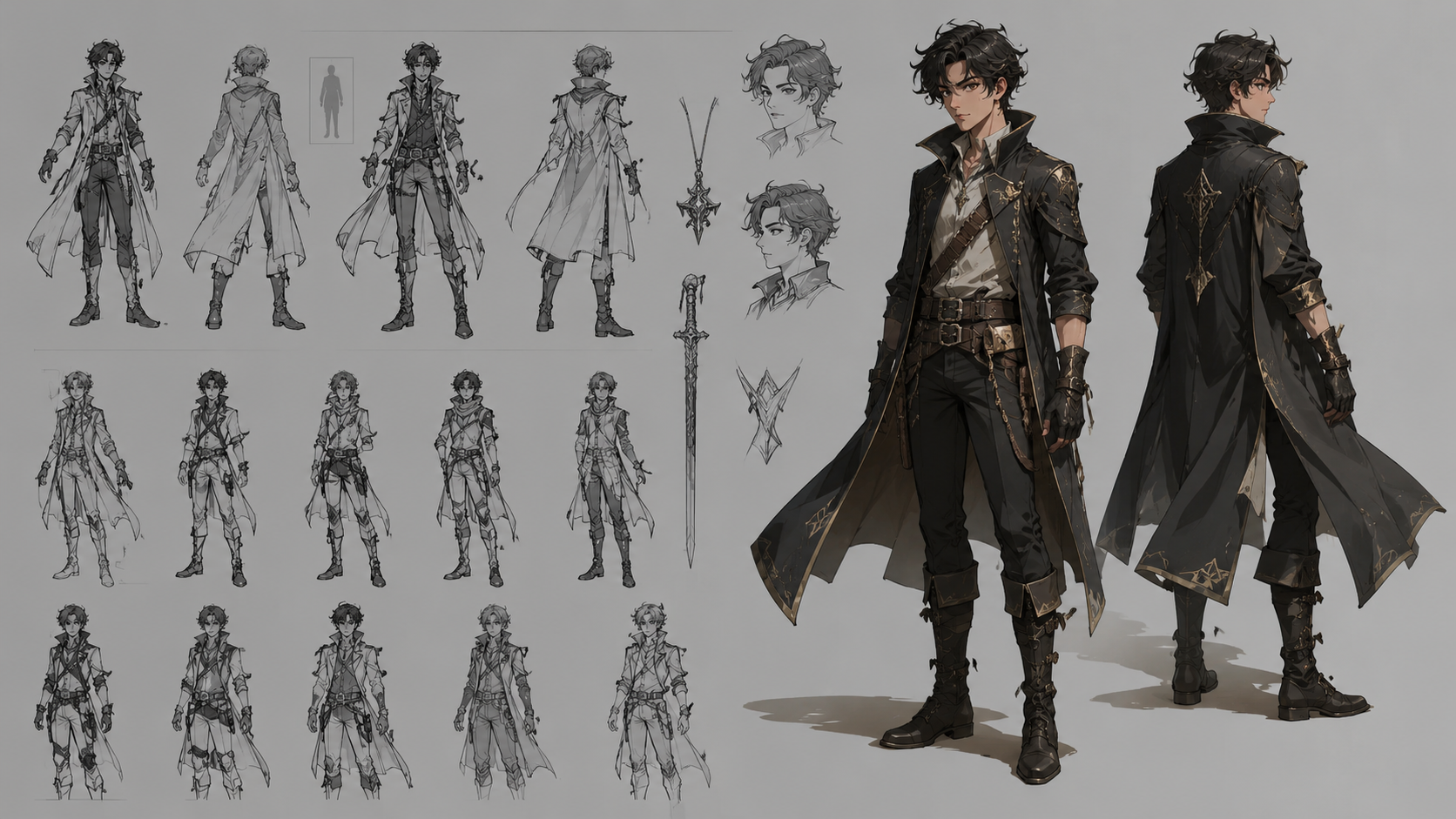
Character Design Serves As A Visual Language Telling Stories Without Words.
The physical attributes, clothing choices and even color palettes contribute to the narrative. Whether it is a hero villain or supporting character their design should align seamlessly with the overall story. A coherent visual style is important for the overall aesthetic of a film.
Character Designing Involves Various Stages Which Includes –
Conceptualization –
The inception of character design starts with concept writers, directors, artists who collaborate to define the character role personality and purpose in the narrative.
This phase involves brainstorming, sketching rough ideas and exploring different visual directions.
Character Brief –
Once the character concept is finalized, a detailed character brief is created. This document outlines the character’s background, personality traits, relationships, and role within the story. It serves as a guide for the design team, ensuring consistency and helping bring the character to life throughout the production process.
Research And Design –
Artists just throw themselves into research to gather inspiration for character design. This may involve just studying real world references exploring cultural influence or drawing inspiration from various art forms. The aim is to induce authenticity and uniqueness into a character’s visual identity.
Thumbnail Drawing –
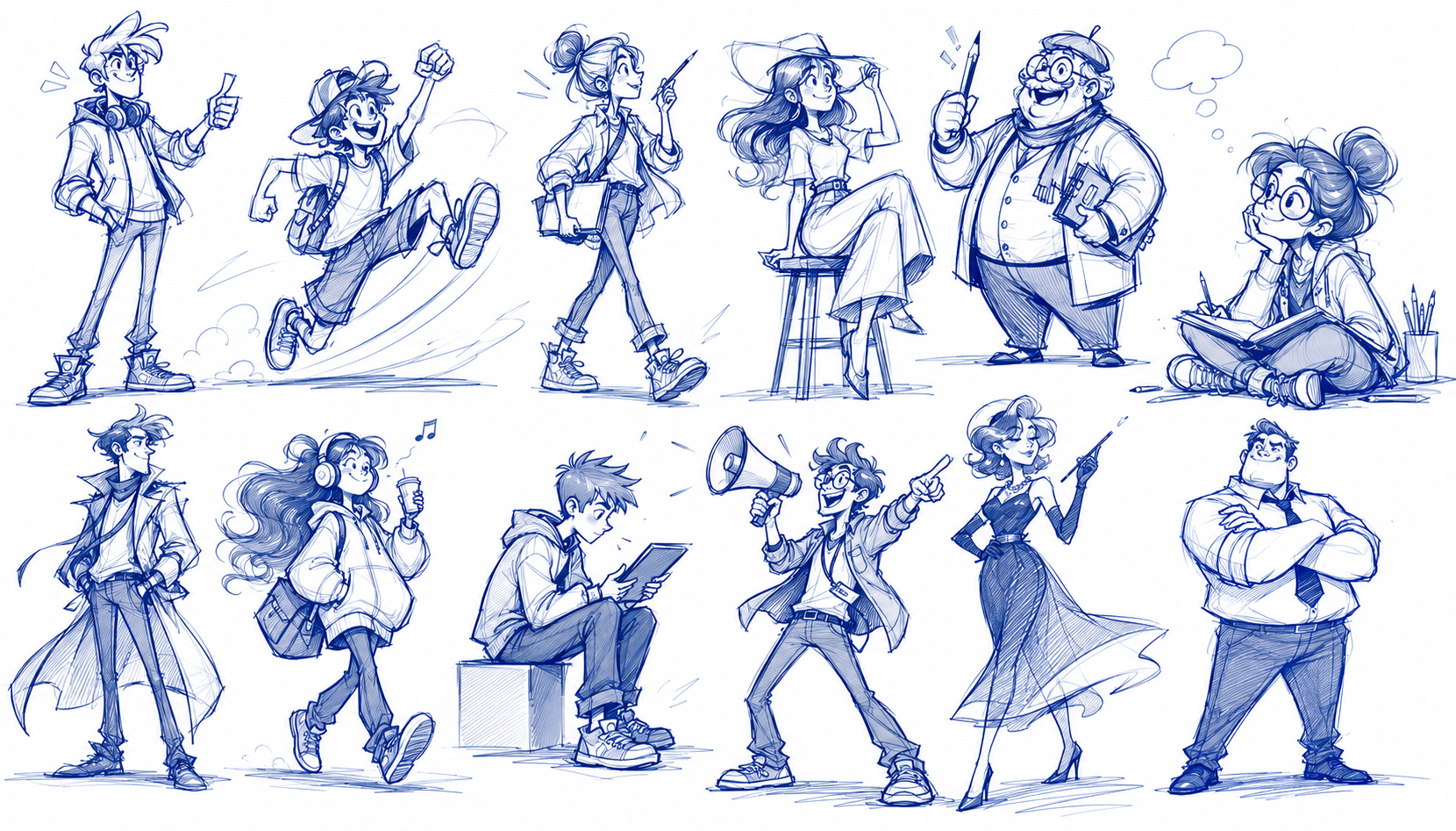
Thumbnail sketches are initial small scale drawings that explore different visual possibilities.
Artists experiment with proportions and silhouettes to find the most compelling design. This stage is important for exploring diverse options before committing to a specific direction.
Rough Drawings And Interaction –
Building on selected thumbnail artists create a rough draft of character. These drafts undergo multiple iterations as the design is refined. Feedback from the creative team is very much important in this stage to ensure the character aligns with the essential vision of the film.
Final Line Art –
Once the design is approved the artist proceeds to create the final art.
This involves defining the character’s features, refining detail and creating a clean polished outline.
This line art serves as the blueprint for subsequent stages of the animation process.
Color Exploration –
Choosing a color palette is an essential step in character design. Color plays an important role in expressing a character’s personality and emotions. Artists often explore different color combinations and variations to create specific moods, enhance visual appeal, and establish the overall atmosphere of a character.
Model Sheet –
Detailed model sheets are developed to provide a good reference to animators.
These sheets showcase the character from various angel highlight key expressions and include specific detail such as clothing and accessories. Model sheets ensure consistency in animation.
Integration Into Animation Pipeline –
The final character design is integrated into animation pipeline where it comes to life through movement and expression.
Animators use character design as a basis for creating dynamic sequences that contribute to overall storytelling.
Gesture Drawing Builds Dynamic Character Foundation –
Regular practice of quick gesture sketches trains character designers to capture essence of movement and attitude in just a few expressive lines.
Beginners should practice gesture drawing daily using simple material like pencil and paper or basic digital tool to develop the eye hand coordination necessary for creating dynamic figure drawing.
Animation posing techniques that evolve from gesture drawing help character designers create more believable movement potential in their designs which translates definitely to more engaging animation and game assets.
Creating successful stylized characters include characters that depend on understanding which anatomical rules may be strategically broken or exaggerated while maintaining visual credibility. From underlying anatomical rules may be strategically broken or exaggerated while maintaining visual credibility.
Join MAAC Animation Kolkata Today & Choose Best Animation Course in Kolkata.
Ph. No. – 8981005311 MAAC CHOWRINGHEE
Ph. No. – 8981006211 MAAC RASHBEHARI
Ph. No. – 8981009211 MAAC ULTADANGA


Comments
Post a Comment